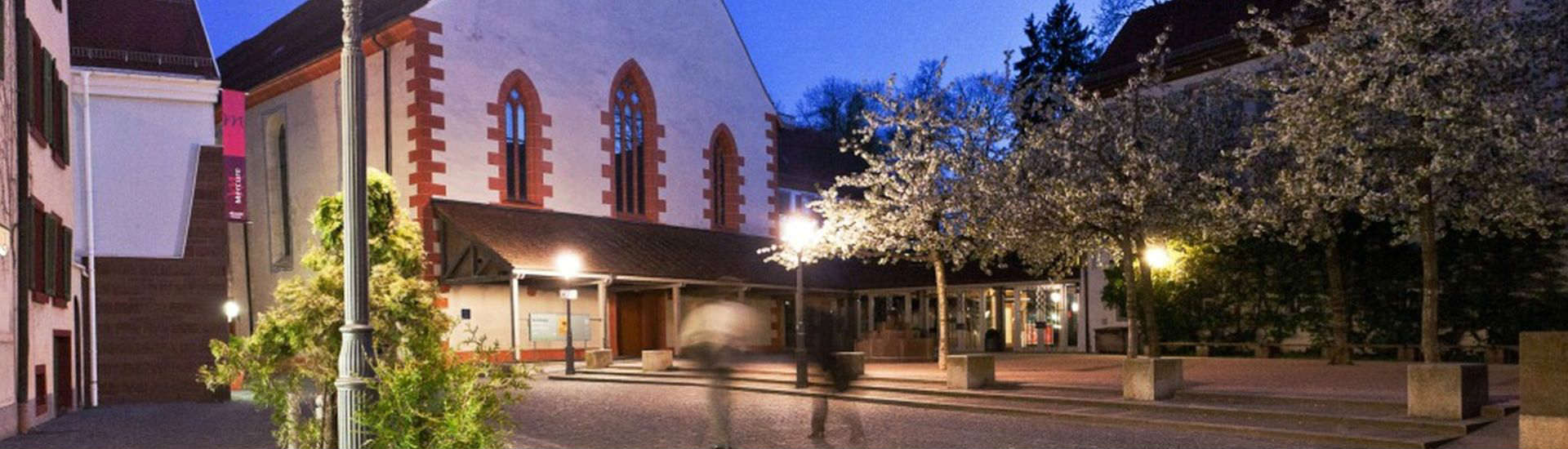
An eventful 2018 is drawing to a close. Whether it’s art or the Celts, Carnival or St. Nicholas: We thank you for your interest in our offerings over the past few months and look forward to welcoming you back in 2019. The Villingen-Schwenningen Municipal Museums wish you a peaceful Christmas season and a Happy New Year.
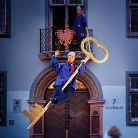
The Franciscan Museum and the Historische Narrozunft Villingen e.V. are opening this year’s special exhibition. Political events have always been commented on during Carnival. As is well known, the fool has a right to speak his mind. He is allowed to say anything that is “on his tongue” or “in his heart” with impunity. The world of Ingeborg Jaag’s figures is actually detached from contemporary history. With the “Key Handover” in 2019, a current topic is explicitly addressed for the first time—albeit humorously and not without deeper meaning.
Welcome:
Dr. Anita Auer, Museum Director
; Anselm Säger, 1st Guild Master of the Historische Narrozunft Villingen e.V.
Introduction:
Ina Sahl, Certified Restorer
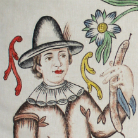
During the tour, children—and their parents or grandparents, too—will learn in a playful way about the origins of Carnival traditions and their significance. The various attributes and motifs—such as fox tails and collars, donkey heads, and straw—are explained in an age-appropriate manner and can also be examined up close in the exhibition of Carnival figures by Ingeborg Jaag. After the museum tour, there’s an opportunity to participate in a short craft activity.
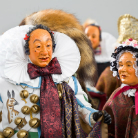
Even before the Villingen Carnival kicks off in the alleys and taverns, this festive tour offers a chance to explore the history and stories in the Carnival section and the special exhibition “Handover of the Keys.” The Figures of Ingeborg Jaag.' Gunther Schwarz, known for his performances at pub carnival, gets visitors excited for the big event.
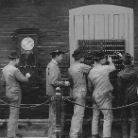
On his combined tour of the two Schwenningen museums, Dr. Michael Hütt sets out in search of time. Surprisingly, the Local History and Clock Museum primarily offers insights into structures of time in which the clock played no major role, even though large numbers of them were manufactured locally. At the Watch Industry Museum, visitors can then see how Schwenningen, as the “world’s largest watchmaking city,” set the pace for industrial society. The constant acceleration of work and daily life, mobility, and communication is one of the defining experiences of modern life. It’s high time to take a guided tour and become aware of how structures of time shape society.
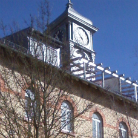
In his lecture, Siegfried Heinzmann traces the journey of the once-poor village of Schwenningen to becoming the “world’s largest watchmaking town.” This journey was arduous and fraught with setbacks. The fact that Schwenningen managed to play such a prominent role in watchmaking in Württemberg and the Black Forest is due not least to a liberal-minded, steadfast entrepreneurial spirit, but also to a hardworking workforce, particularly the women. The Protestant ethic, in its pietistic form, also played a favorable role here.