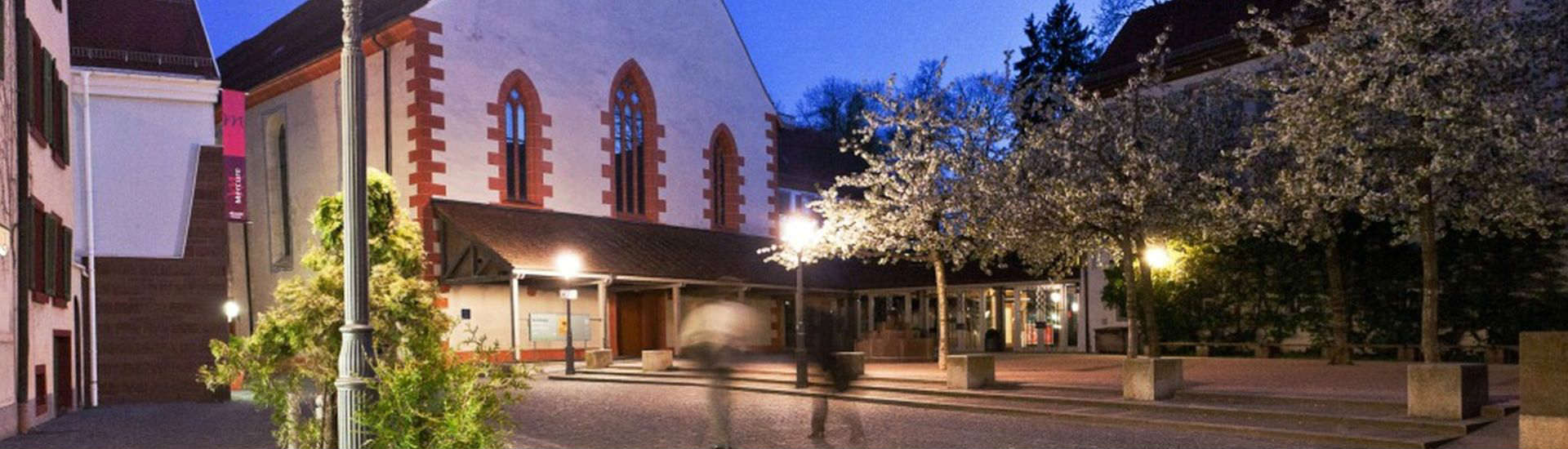
This year’s History Action Day has the theme “1918: A Pivotal Year—War, Revolution, Republic.” This highlights a pivotal period in history: World War I and its aftermath, the revolutionary events, the end of the monarchy, and the hopeful dawn of the republic. All these topics will be explored through lectures and guided tours at the Franziskanermuseum. Twenty-four historical societies, museums, and archives will present their activities at booths.
The first lecture will be given by Dr. Christof Strauß on the topic “Daring to Try Democracy? The History of Democracy in Baden, 1818–1918.”
You can find the rest of the program here:
The café at the Franziskaner is open all day, and admission is free!

The journalist presents her favorite object from the Franziskanermuseum’s collection. Cornelia Spitz has been the head of the Schwarzwald-Baar regional editorial office and the head of the Villingen-Schwenningen local editorial office of the Schwarzwälder Bote since 2012.
In cooperation with the Friends of the Municipal Museums in Villingen-Schwenningen e.V.
Admission is free.

After a brief overview of the history of historic windows, master carpenter and managing director of Holzmanufaktur Rottweil, Hermann Klos, will explain the proper handling of historic windows in historic buildings.
The event is organized by the Villingen-Schwenningen Local Board of the German Foundation for Monument Protection, the Black Forest-Baar District Chapter of the Baden-Württemberg Chamber of Architects, and the Franciscan Museum. Admission is free.
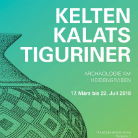
The largest burial mound meets the largest fortified settlement of the Central European Iron Age: Drawing on two significant archaeological sites, the exhibition explores the enigmatic culture of the Celts. The focus is on Heidengraben near Bad Urach, a Late Celtic “oppidum” whose imposing defensive structures still rise from the landscape today. The exhibition also features previously unexhibited finds from the Early Celtic site of Magdalenenberg near Villingen-Schwenningen. It becomes clear that a cradle of Celtic culture lay right on our doorstep.
State Conservator Dr. Jörg Bofinger will deliver a welcoming address at the opening.

In the first public guided tour of the new special exhibition, Peter Graßmann will provide insight into the largest fortified settlement of the Central European Iron Age, the Heidengraben in the Swabian Alb. Numerous original artifacts, ranging from ceremonial vessels to gold coins, will be on display. The tour will also focus on the Magdalenenberg, featuring artifacts not usually available for loan.
The special exhibition will be on view from March 17 through July 22, 2018. Additional guided tours will take place on April 1, April 22, June 10, July 1, and July 22.