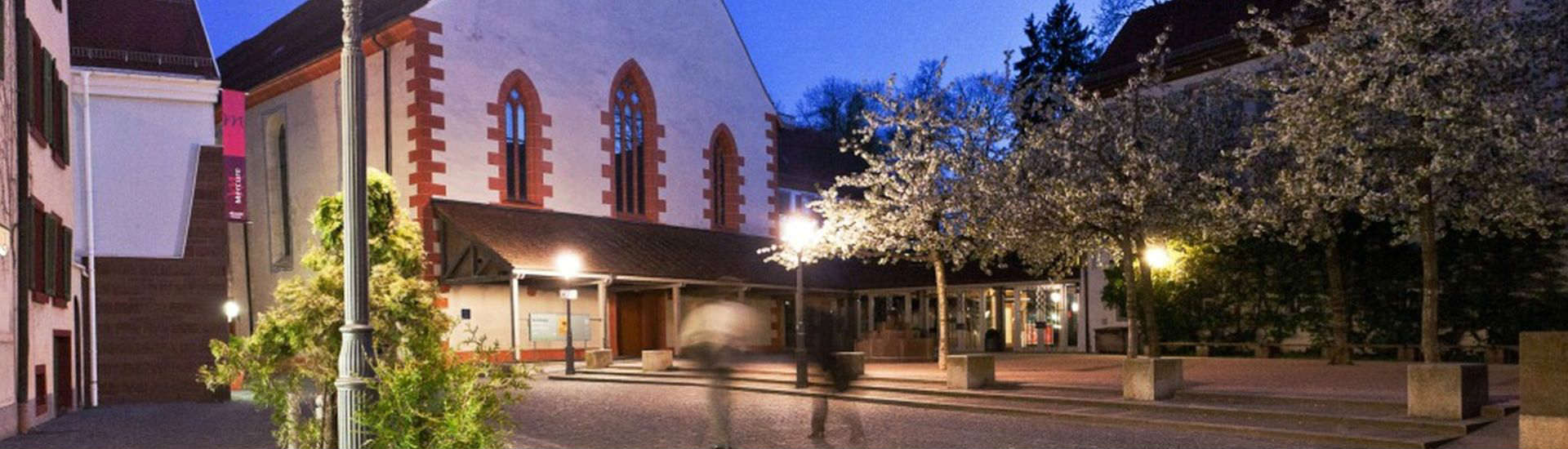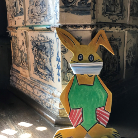
The Franciscan Museum has reopened its doors. “With this reopening, we can fulfill the wish of many museum visitors to once again enjoy cultural experiences in person, in addition to various digital offerings,” says museum director Dr. Anita Auer.
Opening hours over Easter are from 11 a.m. to 5 p.m. on Good Friday, Easter Sunday, and Easter Monday, and from 1 p.m. to 5 p.m. on Easter Saturday. Admission to the permanent exhibition is free.
Last-minute changes due to the COVID-19 situation can be found here.
Visitors can register for their museum visit by phone at 07721/82-2340 or at the entrance.
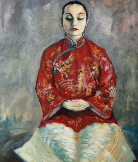
The 1920s had much in common with the present day. Following a pandemic and a global economic crisis, a new era of modernity dawned, full of zest for life and creativity. Women took on a new social role as artists, intellectuals, and professionals. The dancer pictured here, Tatjana Barbakoff—whose portrait was painted by the Villingen artist Waldemar Flaig—was one such figure.
The new special exhibition in the “Heinzmann Collection” series explores the reflections of an exciting decade in the works of artists Richard Ackermann, Ludwig Engler, Waldemar Flaig, and Paul Hirt.
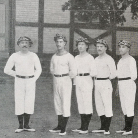
Around 1900, there were sharp contrasts between the gymnastics community and the followers of the so-called “English sports.” Architectural remnants from this era can still be found today in Villingen-Schwenningen. Dr. Ralf Ketterer from the Schwenningen Watch Industry Museum has addressed this topic on the blog STADT HOCH 2.
> Read the blog post

Wednesday, April 14, 7:00 p.m.,
online lecture with Dr. Michael Hütt
: Glory, Happiness, Gold, Money—Trophies from the Three Kings to the Champions League
> Meeting link
> More information about the lecture
The sports exhibition runs through September 26, 2021, and will also be open over Easter.
> Register here